



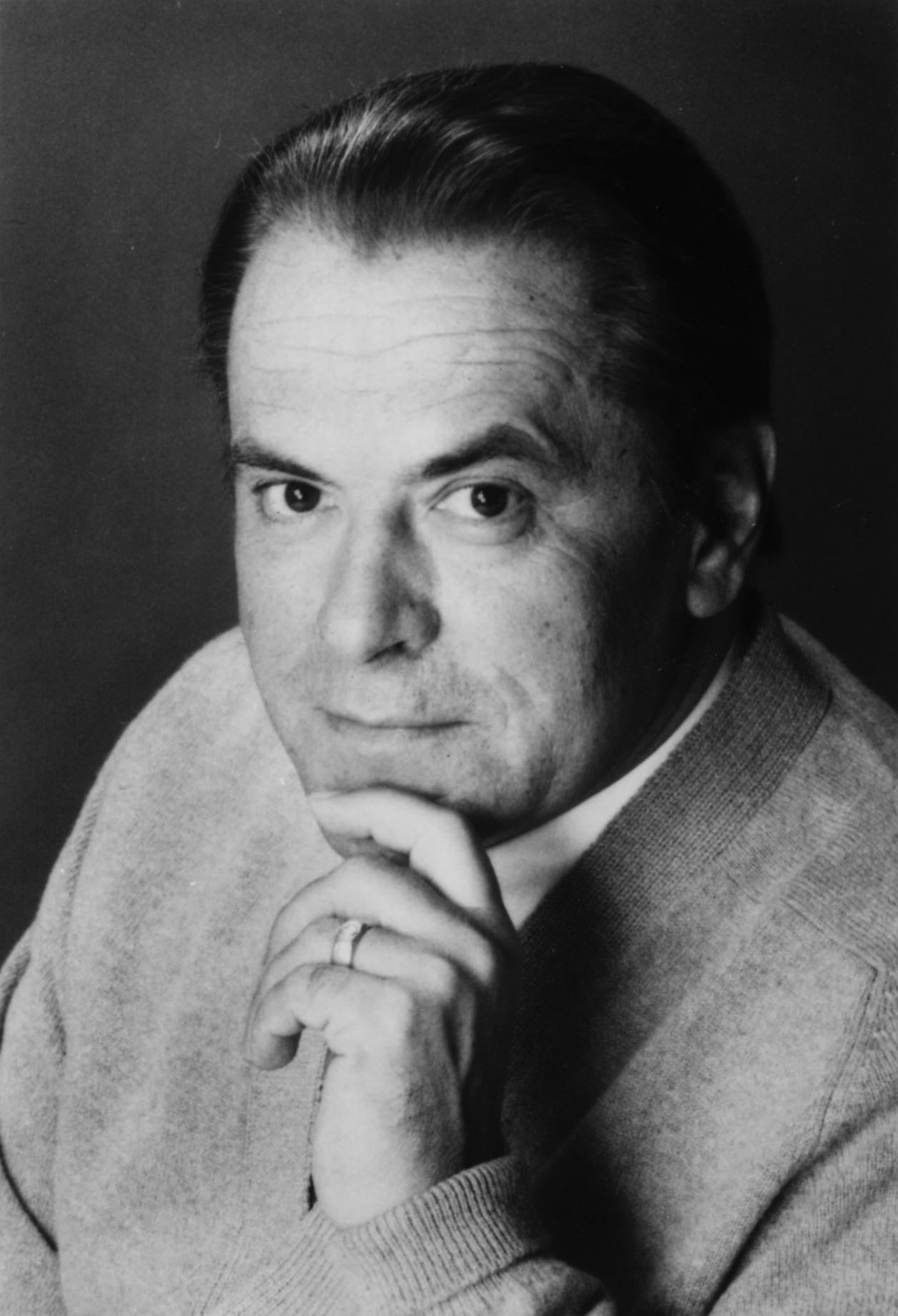
Stanislav Grof (born 1931 in Prague, Czechoslovakia) is one of the founders of the field of transpersonal psychology and a pioneering researcher into the use of altered states of consciousness for purposes of healing, growth, and insight.
Grof is known in particular for his early studies of LSD and its effect on the mind. He constructed a theoretical framework for pre- and perinatal psychology and transpersonal psychology in which LSD trips and other powerfully emotional experiences were mapped onto one's early fetal and neonatal experiences. Over time, this theory developed into an in-depth cartography of the deep human psyche. Following the legal suppression of LSD use in the late 1960s, Grof went on to discover that many of these states of mind could be explored without drugs and instead by using certain breathing techniques in a supportive environment. He continues this work today under the title "Holotropic Breathwork".
Grof received his M.D. from Charles University in Prague in 1957, and then completed his Ph.D. in Medicine at the Czechoslovakian Academy of Sciences in 1965, training as a Freudian psychoanalyst at this time. In 1967, he was invited as an Assistant Professor of Psychiatry at Johns Hopkins University School of Medicine in Baltimore, USA, and went on to become Chief of Psychiatric Research at the Maryland Psychiatric Research Center. In 1973, Dr. Grof was invited to the Esalen Institute in Big Sur, California, and lived there until 1987 as a scholar-in-residence, developing his ideas.
Being the founding president of the International Transpersonal Association (ITA) (founded in 1977), he went on to become distinguished adjunct faculty member of the Department of Philosophy, Cosmology, and Consciousness at the California Institute of Integral Studies, in which position he remains as of 2005.
Notably, Grof's brother, Paul Grof, was chairman of the World Health Organization committee that evaluated Ecstasy. Stanislav helped Rick Doblin deliver information about the drug to his brother. Paul ultimately dissented from the committee's decision to regulate Ecstasy as a Schedule I drug under the Convention on Psychotropic Substances.